
Shikoku
Kochi
A Pacific-facing region of mountains and rivers, where landscape remains closely connected to food, culture and everyday life.
Kochi offers a way to experience regional Japan through the relationships between landscape, food, movement and everyday life — bringing a different scale and rhythm to a wider journey.
Regional context
Why Kochi?
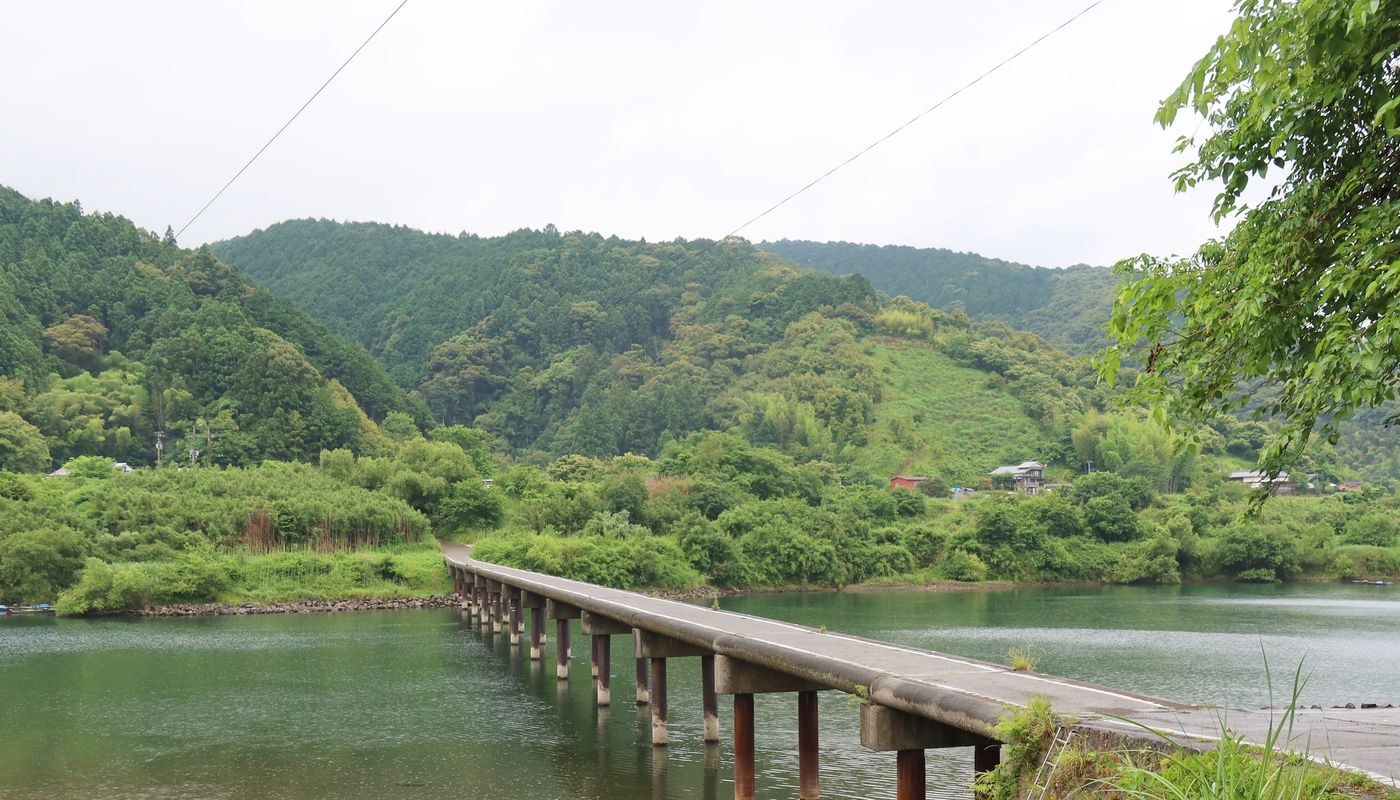
Kochi occupies much of southern Shikoku, where densely forested mountains meet a long Pacific coastline and major rivers cut through the landscape toward the sea. The Shimanto, Niyodo and Yoshino each reveal a different relationship between water, communities and regional life.
The result is a place where geography remains unusually visible in everyday life — in how people move, what they produce and what reaches the table.
Kochi is not a destination that needs to be added to every Japan itinerary. But for travellers who value regional context, food, landscape and a slower relationship with place, it can bring a meaningful change of scale and rhythm to the wider journey.
Journey relevance
What can Kochi bring to a journey?
Rivers, Mountains and the Pacific
The Shimanto, Niyodo and Yoshino rivers run through a predominantly mountainous region toward the Pacific, creating very different landscapes and ways of experiencing water, settlement and movement.
The Pacific is not simply a backdrop. Together with the rivers and mountains, it helps shape Kochi's communities, food culture and sense of scale.
Food Close to Its Source
Kochi's food culture is closely connected to its geography. Katsuo from the Pacific, ingredients from mountain communities, local producers and markets make it possible to encounter food not only as cuisine, but as part of the region's landscape and everyday life.
For the right journey, food can become one of the clearest ways into understanding Kochi.
Pilgrimage and Cultural Landscape
Sixteen temples of the Shikoku 88 Temple Pilgrimage are located in Kochi, where parts of the route continue along long coastal stretches.
For the right traveller, pilgrimage offers another way to experience the region — connecting movement, landscape and spiritual culture rather than treating temples as isolated sights.
A Region That Rewards Time
Kochi tends to reward travellers who give it time. The distance between city, river, mountain and coast makes a slower rhythm more natural — leaving space for meals, encounters and the places between the headline sights.
This is less about adding more to the itinerary and more about allowing the region to shape the pace of the journey.
Journey fit
How can Kochi fit into the wider journey?
Kochi can work particularly well as a regional stay within a broader route through Japan, introducing a different scale and rhythm after time in larger urban or cultural centres.
The question is not simply whether Kochi is interesting. It is where it belongs, how much time it deserves and what should come before and after it.
Access, season, pace and the wider purpose of the journey all shape that decision.
Regional Journey Module
Kochi — Living Culture and Local Flavours
2 nights / 3 days · Food · Culture · Local life
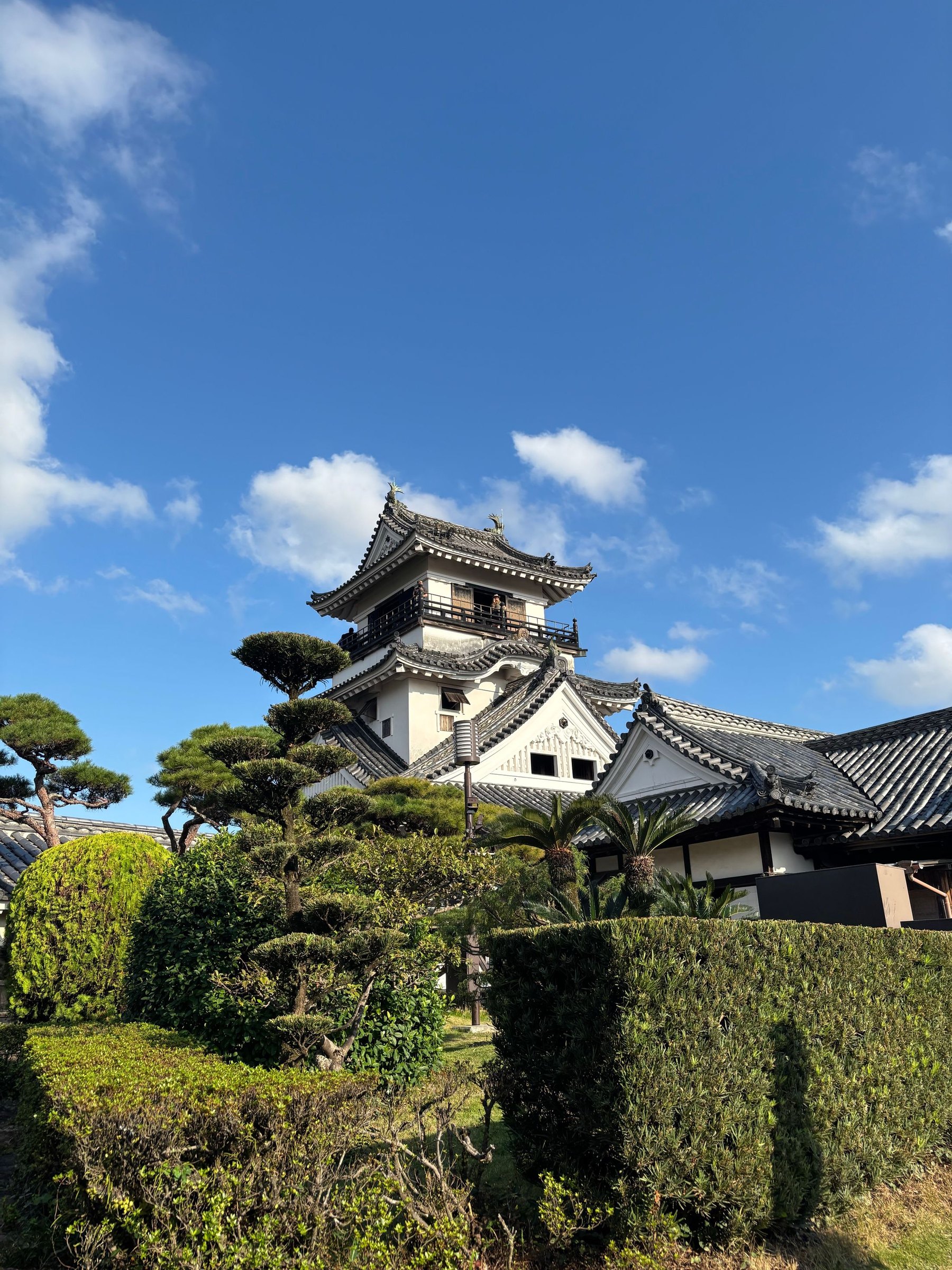
A short, flexible regional stay designed to bring Kochi into a wider Japan journey through food, castle-town heritage and everyday local rhythms.
A structured starting point rather than a fixed itinerary, it can be adapted around the traveller, season and wider route.
Regional Presence
Towaka in Kochi
Towaka has a local office in Kochi, giving us direct regional presence and closer understanding of the practical realities behind journeys in the prefecture.
Could Kochi belong in the journey?
Towaka can help determine whether Kochi fits the traveller, purpose, season and wider route — and how it might best contribute to the journey as a whole.