
Signature Journey

Paths of Meaning

Pilgrimage, Sacred Landscapes and Cultural Continuity

Approx. 12–14 days · Walking · Spiritual culture · Landscape · Reflection

A journey shaped by pilgrimage, movement and sacred landscapes — connecting places through the meaning of the path rather than simply the sights along it.

One Possible Expression

Kyoto · Koyasan · Kumano · Ise

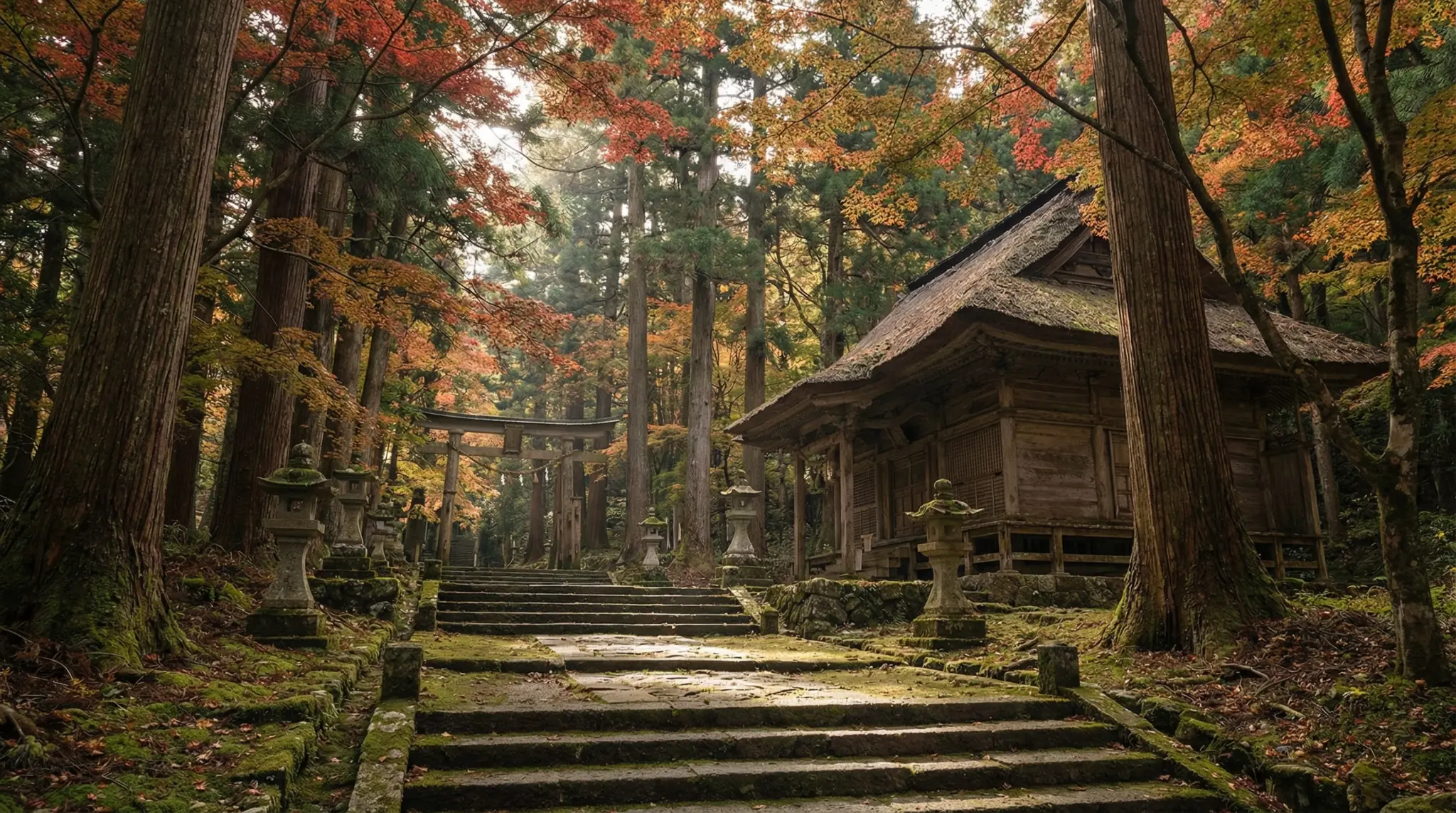
A wooded sacred path and shrine in Japan

A journey shaped by the meaning of the path.

Paths of Meaning treats pilgrimage as a relationship between movement, place and meaning — rather than as a sequence of sacred sites.

Walking, staying and travelling through changing landscapes become part of how the journey is understood.

Pilgrimage provides the connecting thread, while each place changes the traveller's relationship with movement, ritual, landscape and time.

One Possible Expression

Kyoto · Koyasan · Kumano · Ise

One way Paths of Meaning can unfold is through a progression from cultural grounding to presence, movement and reflection.

01 — Cultural Grounding

Kyoto

Kyoto provides cultural and historical grounding before the journey moves into places where religious practice, landscape and movement become more immediate.

Temples, gardens, historic districts and cultural practices establish context — not as isolated highlights, but as ways of understanding what follows.
02 — Staying Within a Sacred Landscape

Koyasan

Koyasan marks the first major shift in the journey: from understanding sacred places from the outside to spending time within the rhythms of one.

A temple stay, time around Okunoin and participation in the rhythm of temple life can deepen that shift, moving the journey from interpretation toward presence.

03 — Movement Becomes the Experience

Kumano

After spending time within a sacred landscape, the journey shifts again: movement itself becomes part of the experience.

Selected sections of the Kumano Kodo can be walked over several days, allowing forest, village, physical effort and the changing rhythm of the path to shape how the region is understood.

Walking is adapted to ability, weather, accommodation and the wider journey rather than treated as an endurance objective.

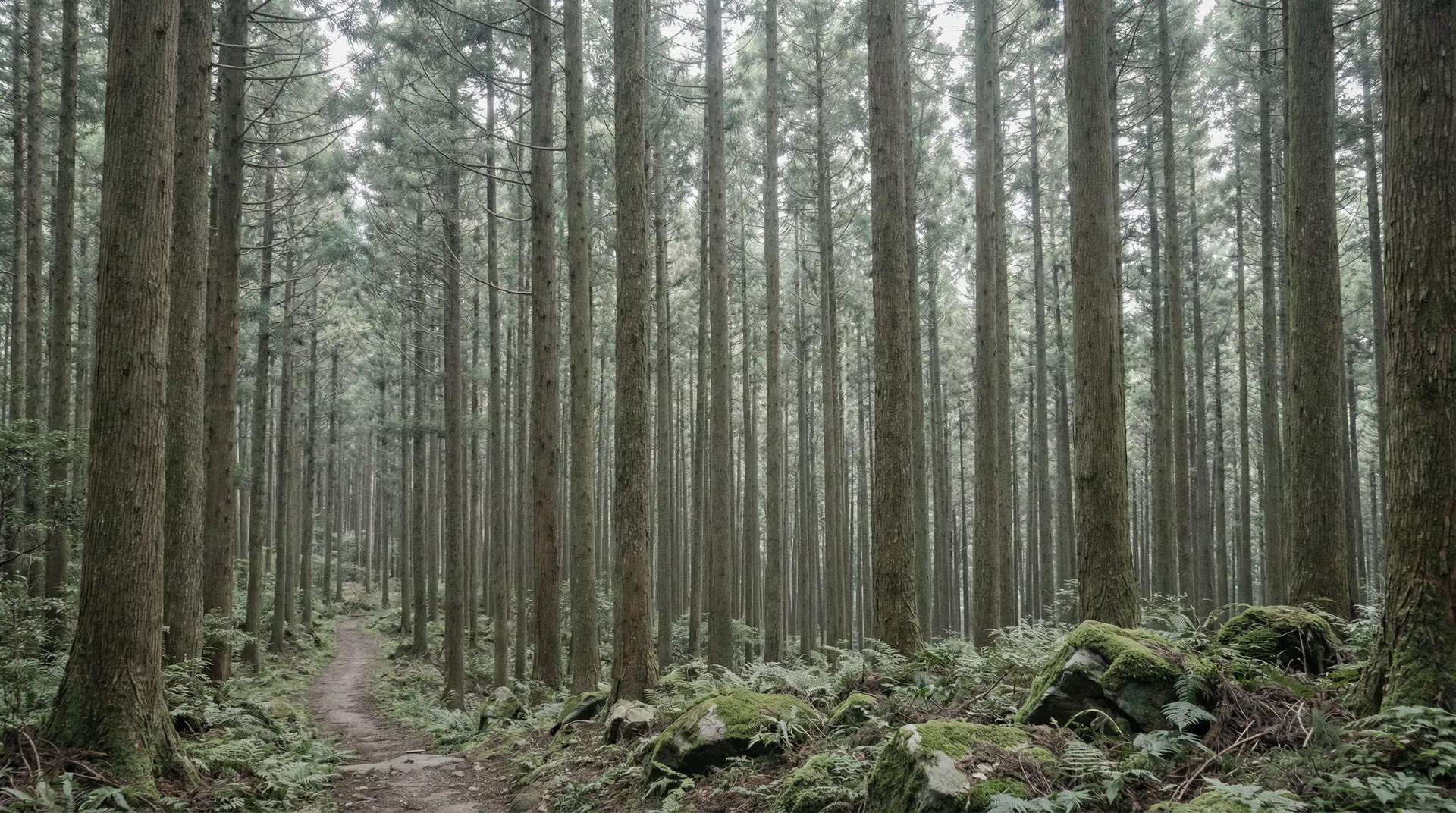
A forest path through a Japanese landscape

04 — Continuity and Reflection

Ise

Ise shifts the journey from pilgrimage as movement toward a wider question of continuity — how sacred places are renewed, revisited and carried forward across generations.

After the physical rhythm of the pilgrimage paths, the journey encounters a different expression of sacred tradition and the relationship between belief, landscape and community.

It creates space to reflect on what has changed along the way while widening the journey beyond a single religious tradition.

One idea, different expressions.

Paths of Meaning is not defined by one fixed route.

One strong expression connects Kyoto, Koyasan, Kumano and Ise. Other versions might draw from selected sections of the Shikoku pilgrimage, Dewa Sanzan or another sacred landscape where movement, ritual and place remain closely connected.

The organising idea stays clear. The route can change.

What defines Paths of Meaning

Movement with Meaning

Walking can be central to the journey, but the deeper principle is that movement itself has meaning. Distance, terrain, transitions and pace are treated as part of the experience rather than simply as logistics.

Sacred Places in Context

Temples, shrines and pilgrimage sites are approached through their relationship with history, landscape, ritual and the communities around them.

Time to Stay and Reflect

Temple lodging, ryokan and regional stays can deepen the journey by allowing the rhythm of a place to continue beyond a daytime visit, with room for silence, conversation, observation and personal interpretation.

Best suited to

  • Travellers interested in understanding Japan through pilgrimage, landscape and spiritual culture
  • Travellers who value walking, slower movement and reflection as part of the journey
  • Travellers looking for a journey with a clear narrative rather than a sequence of highlights

For Travel Professionals

Shaped around the traveller, not the route.

Structured Starting Points, Not Fixed Packages.

Paths of Meaning provides the thread, not a prescribed route.

Towaka can adapt the journey around walking ability, season, comfort, duration and the balance between guided interpretation and reflective time. Transport, luggage movement and regional transitions are considered as part of the experience as well as the logistics.

The journey can be shaped for private travellers or small groups while preserving the idea that gives it coherence.

Related Story

See the decisions behind the journey.

See how Towaka turned a pilgrimage-focused starting point into a workable multi-day programme — and the decisions required around route, walking, pace and feasibility.

Could this become your programme?

The starting point might be Paths of Meaning itself, a particular pilgrimage route, or a broader interest in how sacred landscapes could shape a Japan journey.

Towaka can help turn that starting point into a journey that works for the traveller, the partner and the realities of travelling through Japan.

Start a conversation