
KANSAI

Kyoto, Osaka & Beyond

Major cultural centres can anchor a journey while historic towns, sacred landscapes and the wider Kansai region add contrast.

Kyoto and Osaka are often placed together because they are geographically close. In journey design, however, they serve different purposes. Kyoto offers accumulated cultural depth; Osaka brings urban energy, food and a more immediate relationship with contemporary city life.

The question is not how much Kansai can be added. It is what genuinely belongs.

Journey role
Cultural anchor and urban–regional contrast
Strongest for
Culture · Gardens · Architecture · Food · Belief · Craft
Main gateways
Kyoto Station · Shin-Osaka · Kansai International Airport
Key planning factor
Selection, timing and accommodation location
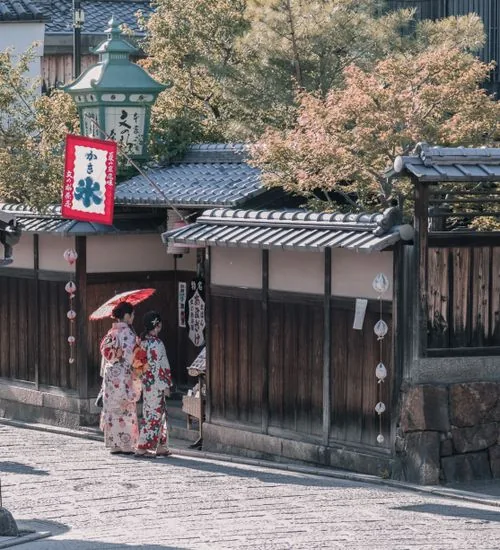
A cultural setting in Kyoto, Kansai
A Kyoto setting, where architecture, gardens and craft often shape the pace of a cultural stay.
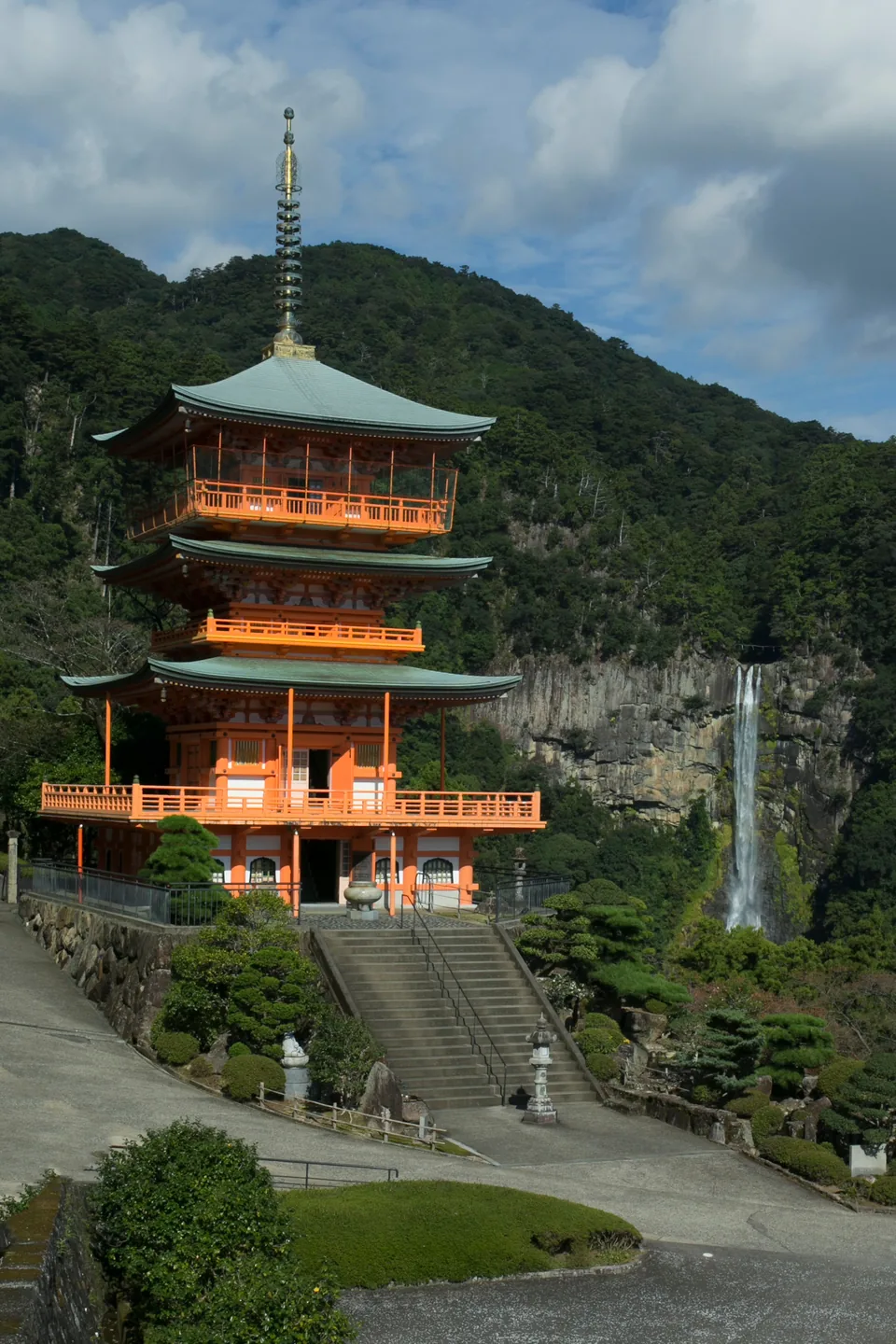
A mountain temple landscape in Wakayama, Kansai
A mountain temple landscape in Wakayama, suggesting the spiritual and rural depth of wider Kansai.

WHAT BELONGS—AND WHAT DOES NOT

Kyoto: Depth Through Selection

Kyoto rewards careful editing. A journey designed around gardens, architecture, craft, belief or food should not follow the same structure as a general first visit.

The value lies in connecting fewer places with stronger context and realistic timing.

Regional perspective

Osaka: A Different Urban Register

Osaka can change the tone after Kyoto. Food, neighbourhoods and commercial history provide a more direct and contemporary urban experience.

This contrast works best when Osaka retains its own character rather than becoming an evening extension of Kyoto.

Regional perspective

Beyond the Main Centres

Nara, Lake Biwa, northern Kyoto, Hyogo and the spiritual landscapes of Wakayama can add history, water, coast, pilgrimage, craft or rural life.

“Beyond Kyoto” should not mean automatically avoiding Kyoto. It should mean understanding when the city is the right anchor and when the wider region strengthens the journey.

RESPONSIBLE PLANNING

Relevance before dispersal

Responsible planning is not simply about moving visitors away from popular places.

It also means choosing appropriate timing, behaviour, group size and access within the places that genuinely belong in the journey.

Kyoto should not be removed merely because it is popular. Nor should a smaller community be included only because it is less visited.

Fit and Limits

Kyoto, Osaka & Beyond may be particularly relevant when:

  • culture, gardens, architecture, food or belief are central interests;
  • both cultural and contemporary urban perspectives matter;
  • familiar destinations must remain commercially legible;
  • a pilgrimage or regional element has a clear role;
  • depth is required without making the journey overly specialist.

Fit and Limits

It may be less suitable when:

  • Kyoto, Osaka, Nara and a distant extension are compressed into a short stay;
  • “beyond Kyoto” is used only as a claim of exclusivity;
  • accommodation changes create complexity without meaningful benefit;
  • crowd avoidance replaces cultural relevance as the main design principle.

Related Work

Reframing a Classic Japan Journey with Greater Regional Depth

15 days · Partner-developed · In Market

A programme retaining Kyoto and Osaka as clear anchors while introducing onsen, regional towns, craft, gardens and temple-based experiences.

Explore the case study →

A Design-led Honeymoon Through Japan

8 nights · Delivered · Tailor-made

A private journey in which Kyoto formed part of a wider route shaped around architecture, art and cultural depth.

Explore the case study →

What belongs—and what does not?

Towaka can help determine how Kyoto, Osaka and wider Kansai should work together, protecting cultural depth without overloading the journey.

Start a conversation