
KANTO

Tokyo & Kanto

Japan’s largest urban gateway can establish the opening rhythm of a journey through contemporary culture, design, food and neighbourhood life.

The wider Kanto region can then introduce port history, temple landscapes, coast, mountains or onsen without requiring an immediate journey across the country.

Tokyo should not be treated simply as the necessary beginning or end of an itinerary. Its role should be designed as deliberately as any regional stay.

Journey role
Opening, closing or urban–regional contrast
Strongest for
Design · Food · Architecture · Contemporary culture · Urban history
Main gateways
Haneda · Narita · Tokyo Station
Key planning factor
Arrival condition, hotel location and movement across the city
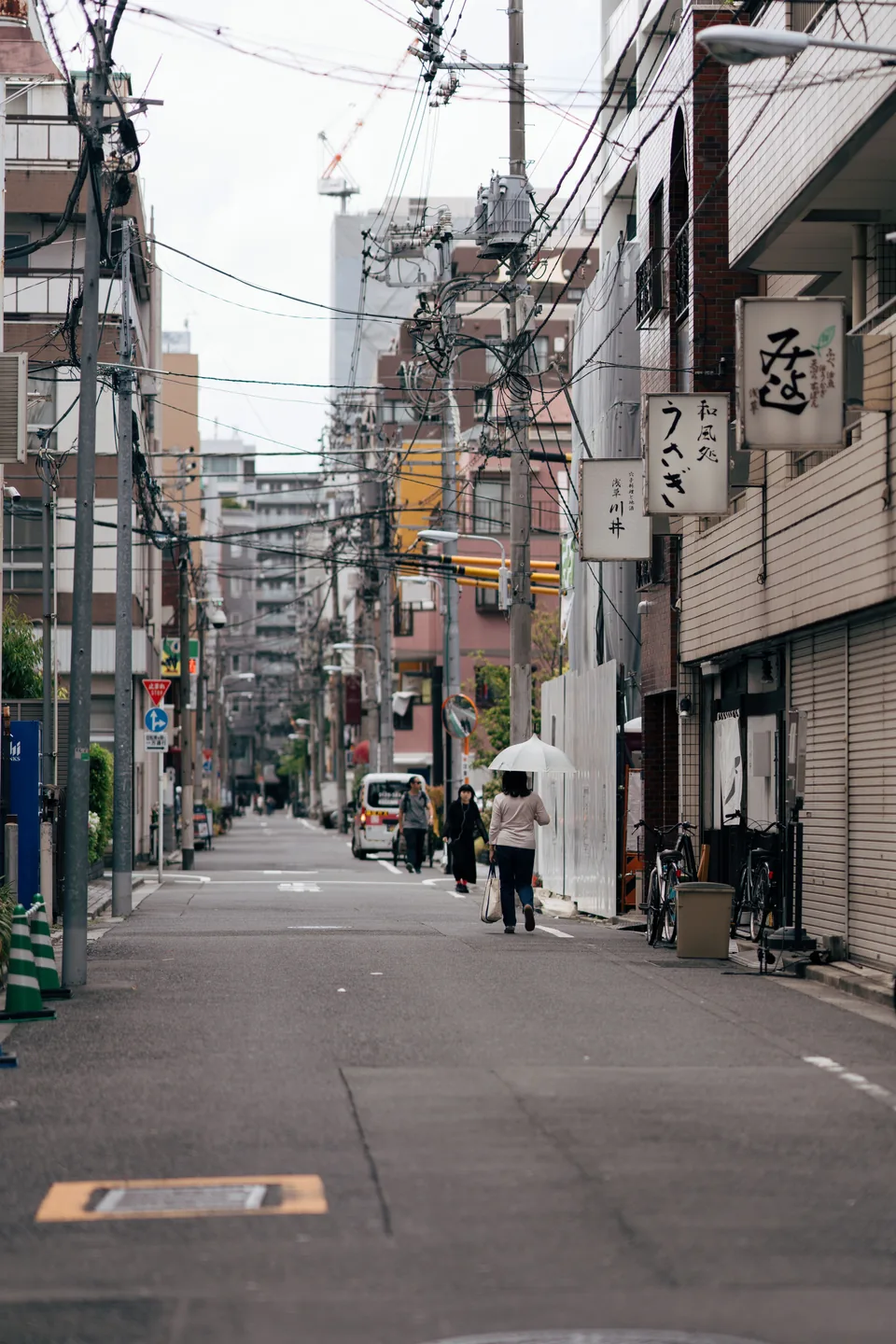
A residential street in Tokyo, Japan
A quiet residential street in Tokyo, showing the smaller-scale neighbourhood rhythm behind the city’s major districts.
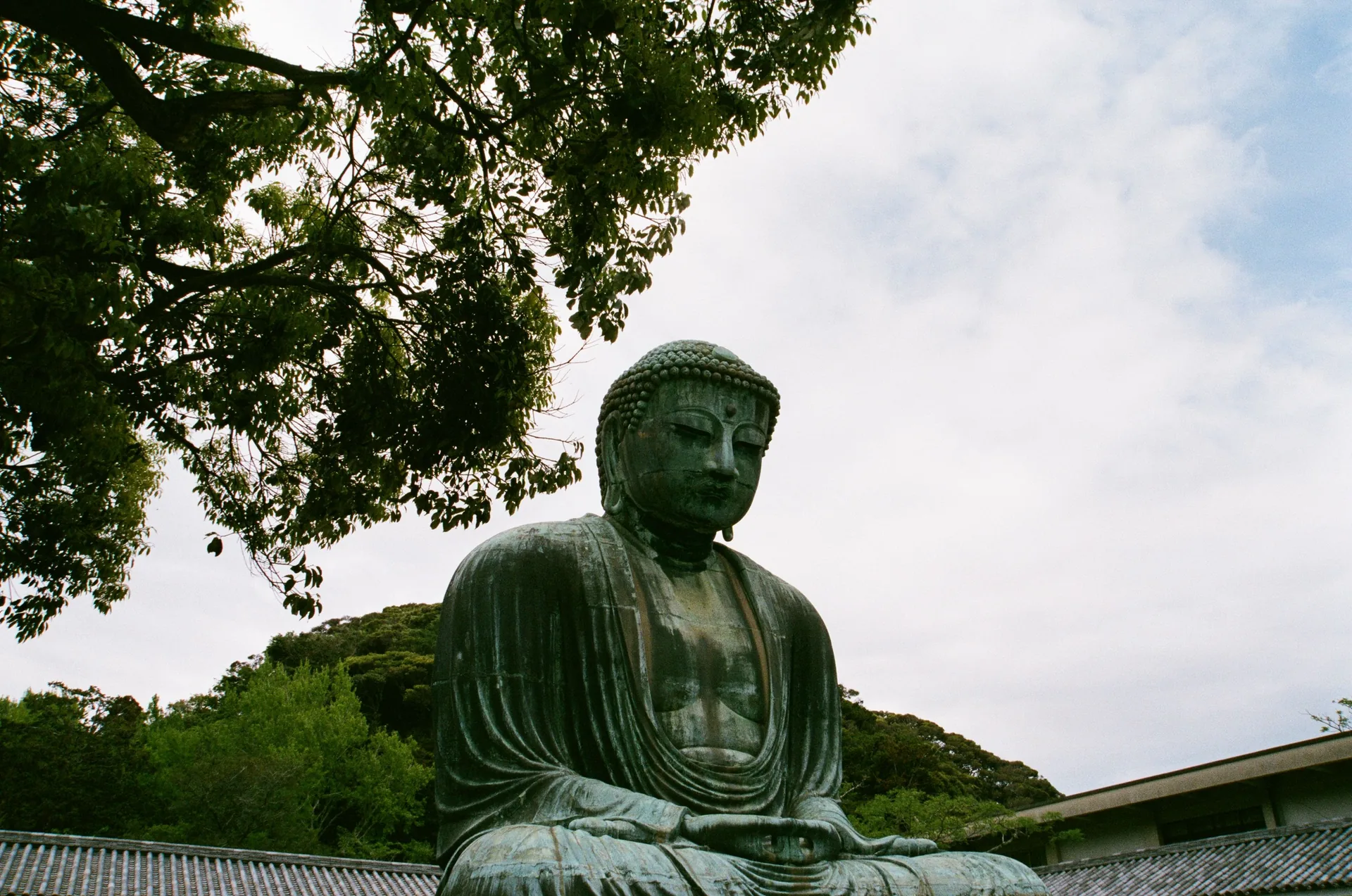
A temple setting in Kamakura, Kanto
A temple setting in Kamakura, where historic landscapes offer a slower contrast to Tokyo.

THREE DIFFERENT ROLES

Tokyo as Arrival and Orientation

A carefully paced opening can help the traveller adjust while introducing contemporary Japan through selected neighbourhoods, food and cultural context.

Arrival time, jet lag, hotel location and station access should shape the first days.

Regional perspective

Tokyo as a Subject in Its Own Right

Architecture, design, food, gardens, business, craft or urban history can provide a focused reason to explore the city more deeply.

A traveller interested in architecture requires a different Tokyo from one interested in food, contemporary art or the relationship between Edo and the modern city.

Regional perspective

Kanto as Regional Contrast

Yokohama, Kamakura, Hakone, Nikko and other settings can introduce port history, temples, mountains, coast or onsen.

Their value does not come from being close to Tokyo. Each should be included only when it has a clear role in the wider journey.

Fit and Limits

Tokyo & Kanto may be particularly relevant when:

  • the journey needs a clear first introduction to Japan;
  • contemporary culture, design, food or architecture matters;
  • regional contrast is needed without immediate long-distance travel;
  • the traveller would benefit from a flexible final stay;
  • Tokyo needs to feel specific rather than generic.

Fit and Limits

It may be less suitable when:

  • too many neighbourhoods and day trips are included because they appear close;
  • the traveller is repeatedly crossing the city;
  • arrival-day fatigue is ignored;
  • a nearby regional destination has no clear purpose;
  • the same Tokyo content is used for first-time and repeat visitors.

Related Work

A Design-led Honeymoon Through Japan

8 nights · Delivered · Tailor-made

A private journey shaped around architecture, contemporary art and cultural depth, with Tokyo forming part of a wider route through Kyoto and Naoshima.

Explore the case study →

Reframing a Classic Japan Journey with Greater Regional Depth

15 days · Partner-developed · In Market

A programme retaining Tokyo as a recognisable anchor while adding onsen, regional towns, craft and different forms of accommodation.

Explore the case study →

What role should Tokyo and Kanto play?

Towaka can help determine how Tokyo should open or close the journey, which parts of the city deserve attention and whether the wider region adds meaningful contrast.

Start a conversation