
NORTHERN JAPAN

Tohoku — Northern Japan

A region that can give a journey greater progression and space, where cultural landscapes, onsen, regional cities and clearly defined seasons shape a slower movement north.

Tohoku offers more than an alternative to Japan’s better-known route. Its value lies in how the region can change the rhythm of a journey—moving from major urban centres into smaller cities, spiritual landscapes and more spacious regional settings.

For this page, Tohoku refers to Aomori, Iwate, Miyagi, Akita, Yamagata and Fukushima, the six prefectures forming the northeastern region of Honshu.

Journey role
Regional progression and a change of pace
Strongest for
Cultural landscape · Onsen · Food · Season · Nature
Main connections
Tokyo · Northern Honshu · Hokkaido
Key planning factor
Distance beyond the main rail corridor
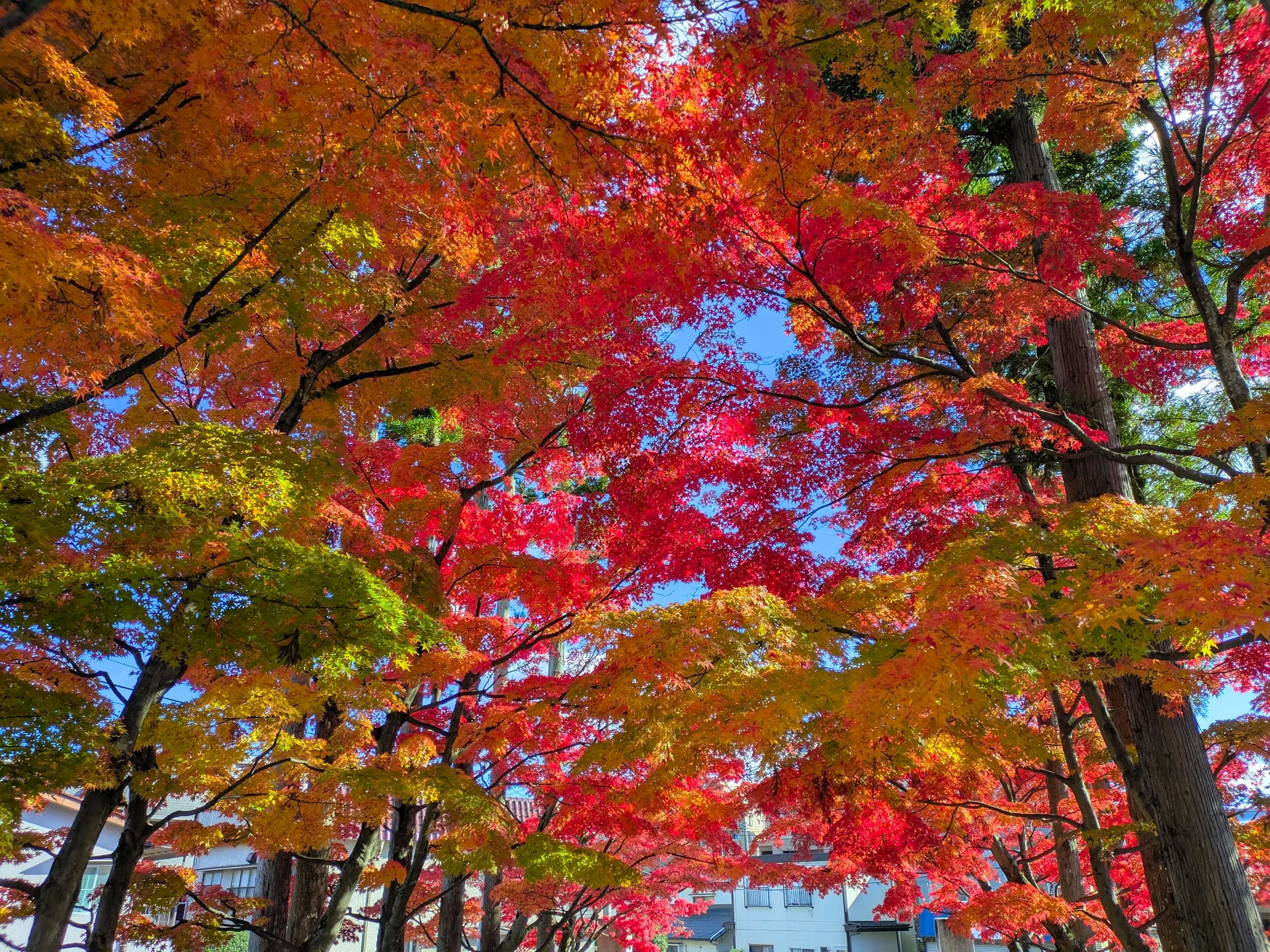
Autumn foliage in Sendai, Tohoku
Autumn colour along a tree-lined path in Sendai, illustrating the seasonal character of Tohoku.
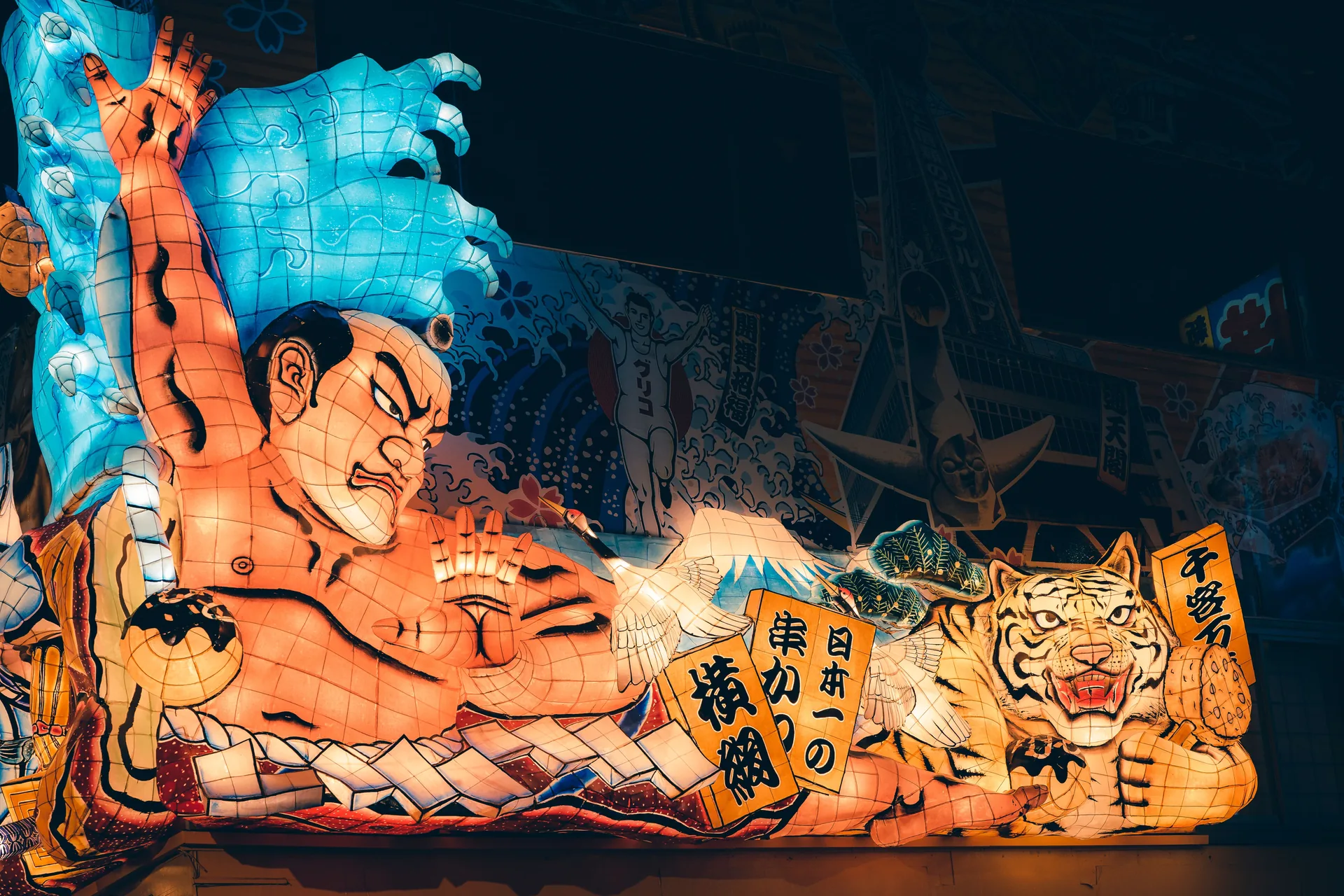
Nebuta cultural display in Aomori, Tohoku
A Nebuta cultural display in Aomori, reflecting the bold visual traditions of northern Japan.

WHEN THE JOURNEY NEEDS PROGRESSION

Why Tohoku?

Tohoku’s cities, coastlines, mountain landscapes and agricultural areas are connected by strong north–south rail routes. Many of its most meaningful experiences, however, sit beyond the main stations.

Places of spiritual and historical importance can be combined with onsen, food, craft and landscapes shaped by season. The result can feel like a genuine geographical progression rather than an isolated regional extension.

The region works best when there is enough time to experience the movement between places. Simply adding a less familiar destination does not automatically create regional depth.

Regional perspective

Possible directions

Cultural and Spiritual Landscapes: Temple landscapes, places of belief and regional cities can form a journey in which cultural context develops gradually.

Nature, Onsen and Season: Mountain environments, river valleys and onsen stays can create space for recovery and a closer relationship with the season.

Food, Craft and Regional Life: Agriculture, sake, local food cultures, workshops and smaller cities can provide an entry point into contemporary regional life.

These are planning directions, not fixed itineraries. The final structure should depend on the traveller, season and wider Japan route.

Fit and Limits

Tohoku — Northern Japan may be particularly relevant when:

  • the traveller values landscape, cultural context and regional food;
  • the journey can support a slower northward progression;
  • onsen, spiritual heritage or seasonal experience is relevant;
  • the partner wants a distinctive regional product;
  • depth matters more than the number of headline sights.

Fit and Limits

It may be less suitable when:

  • only a brief out-and-back extension is possible;
  • the journey already contains several long regional transfers;
  • dense sightseeing is prioritised over time in place;
  • the traveller is uncomfortable with longer movements between regional settings.

Related Work

Designing a Northern Japan Journey Around Nature, Culture and Pace

16 days · Partner-developed · In Market

A programme connecting Tokyo with Nikko, Sendai, Hiraizumi, Aomori, Oirase Gorge and Lake Towada.

Explore the case study →

Could Tohoku belong in the journey?

Towaka can help determine which parts of Tohoku fit the traveller, season and wider route—and how much time the region needs to make its inclusion worthwhile.

Start a conversation